
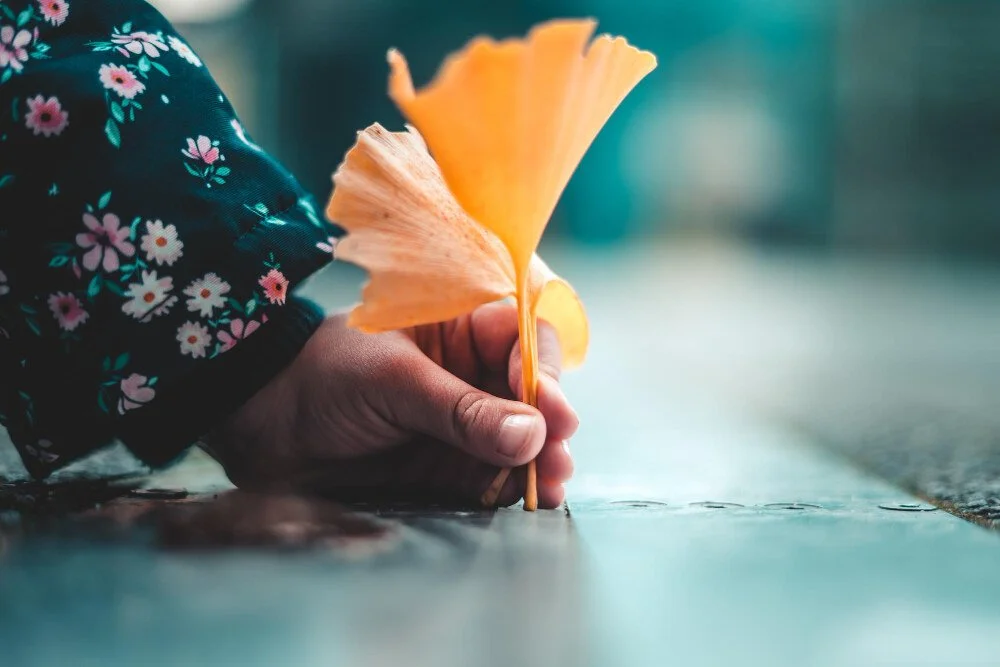
Grief is not something we simply move on from. Instead, it is something we gradually learn to live with over time.
When someone we love dies, life can feel disorienting and unfamiliar. The world continues around us, yet internally everything may feel different. In the midst of that shift, memorials and rituals can play an important role in helping people process loss and maintain a connection with the person they are grieving.
For many individuals and families in the Sarnia-Lambton community, these acts of remembrance create a meaningful space where grief can exist safely and where love continues to be honoured.
Why Memorials Matter
A memorial is far more than a stone or marker. It is a physical expression of love, memory, and legacy.
Whether it takes the form of a gravestone, a memorial plaque, or a dedicated space within a garden, memorials create a place where remembrance can live. During a time when emotions can feel overwhelming and intangible, having a physical location to return to can provide grounding and comfort.
For many people, visiting a memorial site offers:
A sense of continued connection
A place to reflect and speak to their loved one
Comfort during anniversaries and important life moments
A feeling of continuity rather than a sudden ending
Memorial professionals often see firsthand how meaningful these spaces become for families over time.
“A memorial stone becomes a place where families can return to reflect and reconnect with the person they’ve lost,” says Cameron Guest, owner of Imperial City Memorials in Sarnia, a company specializing in custom memorial monuments for families in the Sarnia-Lambton region. “Over time, these spaces often become part of a family’s healing process because they provide somewhere meaningful for memories, stories, and quiet reflection.”
Memorials help transform grief from something chaotic into something that can be gently held and honoured.
They acknowledge that a life mattered and that a relationship mattered.
The Role of Ritual in Healing
Over time, many families naturally develop rituals around memorial spaces.
These rituals might include visiting a gravesite, placing flowers, leaving stones, tracing engraved letters with a hand, or simply sitting quietly in reflection. While these acts may appear simple, they can have a powerful emotional impact.
Grief often activates the nervous system, creating waves of emotion that can feel unpredictable or overwhelming. Physical acts of remembrance connected to a meaningful memorial can help create steadiness during those moments.
Ritual provides structure when emotions feel unstructured.
For individuals navigating loss and looking for additional support, working with a grief therapist can also be beneficial. Counsellors such as Kristine Ridler at Great Lakes Wellness Co. support individuals who are processing grief and adjusting to life after loss.
Continuing Bonds Are a Healthy Part of Grieving
Modern grief research recognizes something important: healing does not require us to sever our emotional connection to someone who has died.
Maintaining a bond through memory, storytelling, ritual, and visits to a memorial site can be a healthy and adaptive part of grieving. A memorial becomes a place where that bond can be honoured rather than erased.
It reminds us that while someone may no longer be physically present, the love and meaning of that relationship continue to exist.
People navigating loss often benefit from understanding the emotional patterns of grief and having a supportive environment where those feelings can be explored safely. Professional grief counselling can help individuals process complicated emotions and develop healthy coping strategies during difficult periods.
There Is No Timeline for Grief
Grief looks different for everyone. It may include sadness, anger, numbness, longing, guilt, or even moments of peace.
Some days may feel manageable, while others may feel unexpectedly heavy.
Having a dedicated memorial space does not remove grief, but it can provide a container for it — a steady place to return to when emotions feel overwhelming.
Memorials and rituals are not about holding onto pain. They are about honouring love and acknowledging a life that mattered.
Grief is deeply personal, and so is the way we choose to remember.
For many people, grief can also become particularly difficult during emotionally significant times of the year. If you are navigating loss during these moments, you may also find comfort in reading our article on handling grief during the holidays and finding comfort in difficult times.
If grief begins to feel overwhelming or difficult to carry alone, compassionate support is available. The team at Great Lakes Wellness Co. provides counselling services for individuals navigating grief and loss in a safe and supportive environment.
Reaching out for support can be a gentle step toward understanding what you are experiencing and learning ways to move forward while still honouring the memory of someone you love.
To learn more or book a free consultation, call or text 226-840-2200.
Disclaimer:
This article is intended for informational purposes only and does not replace professional medical or mental health advice. Grief affects individuals in different ways, and anyone experiencing intense emotional distress or thoughts of self-harm should seek immediate professional support.
In Ontario, confidential help is available through the Suicide Crisis Helpline by calling or texting 988, available 24 hours a day.
If you or someone you know is in immediate danger, please call 911 or visit your nearest emergency department.